
Writing a book is an incredible achievement-but finishing your first draft is only half the journey. The real magic happens during editing. This is where your raw manuscript transforms into a polished, professional, and publish-ready piece of work.
Many authors underestimate the importance of editing, thinking that once the writing is done, the book is ready. However, even the best writers go through multiple editing rounds. That’s why having a clear and structured book editing checklist is essential.
In this detailed guide by Adhipati Creations, you will learn a complete step-by-step editing checklist for authors, along with practical tips, common mistakes, and a full manuscript preparation checklist to ensure your book is ready for publishing.
Why Editing Matters More Than Writing
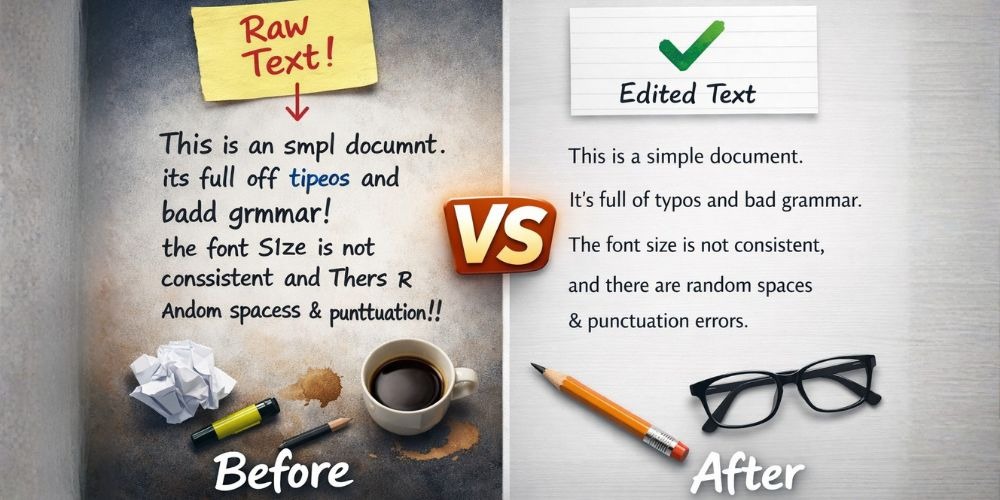
Before diving into the checklist, it’s important to understand why editing plays such a crucial role.
Editing is not just about fixing grammar mistakes-it is about improving the overall quality of your book. It ensures that your message is clear, your story flows smoothly, and your readers stay engaged from start to finish. You can see examples of quality standards in our school books.
Benefits of Proper Editing:
- Enhances readability and clarity
- Builds credibility as an author
- Improves storytelling structure
- Eliminates confusion and repetition
- Increases chances of publishing success
- Helps create a strong emotional impact
Without proper editing, even a great idea can fail to impress readers. Professional support is available through our self-publishing services.
Complete Book Editing Checklist (Step-by-Step)
Let’s break down the ultimate editing checklist before publishing into clear and actionable steps.
1. Take a Break After Writing
Once you complete your manuscript, avoid the temptation to start editing immediately.
Why this matters: Your mind is still attached to the content, making it harder to spot mistakes. Taking a break helps you return with a fresh perspective.
What to do: Take a break of 3–7 days (or longer for big projects). Avoid reading your manuscript during this time. Come back with a fresh mindset. This is the first and often ignored step in any effective author editing guide.
2. Start with Developmental Editing (Big Picture Review)
This is the most important stage of your manuscript checklist. Focus on the overall structure, not small details. High-quality books like those from Disha Publication undergo rigorous reviews.
Check the Following: Does your book have a clear purpose or message? Is the storyline engaging and logical? Are ideas presented in the right order? Are there any gaps in content?
For Fiction Writers: Are characters well-developed? Is there a clear beginning, middle, and end? Is the conflict strong and resolved properly?
For Non-Fiction Writers: Is the information clear and useful? Are examples and explanations effective?
3. Evaluate Chapter Structure
Each chapter should contribute to the overall goal of your book. Many competitive exam guides follow this strict structural logic.
Chapter Checklist: Strong and engaging opening, Clear focus or topic, Logical progression of ideas, Smooth transitions, Memorable conclusion. If a chapter feels unnecessary, consider removing or merging it.
4. Improve Clarity and Simplicity
Your writing should be easy to understand, especially if you are targeting a broad audience.
Tips for Better Clarity: Use simple and direct language, Avoid jargon unless necessary, Break long sentences into shorter ones, Use bullet points where possible. This is vital for Class 11 and Class 12 educational materials.
Example: ❌ Complicated: Due to the fact that the author was unable to... ✅ Simple: Because the author could not... Clarity is a key part of any editing checklist for authors.
5. Remove Unnecessary Words and Repetition
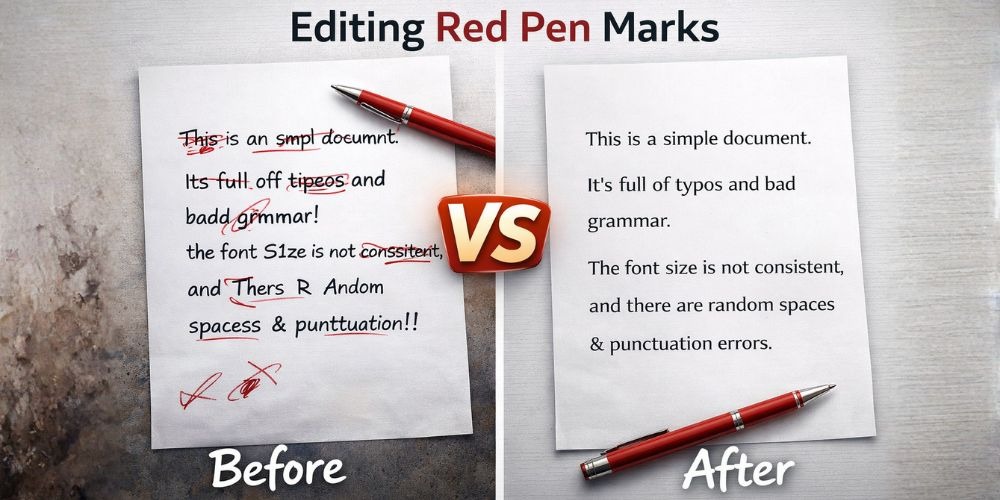
One of the most common mistakes in writing is over-explaining. Look for repeated phrases, filler words (very, really, just), and duplicate ideas. Tip: If removing a word does not change the meaning, delete it.
6. Strengthen Sentence Structure
Strong sentences improve readability and engagement. Avoid run-on sentences, fix sentence fragments, and use active voice. Example: ❌ Passive: The work was completed by the team. ✅ Active: The team completed the work.
7. Check Grammar, Spelling, and Punctuation
This is a crucial part of your publishing checklist. Common errors to fix include incorrect verb tense, misplaced commas, spelling mistakes, and capitalization errors. Even small mistakes can affect your credibility as an author, something we prioritize at our Arihant Books store.
8. Maintain Consistency Throughout the Manuscript
Consistency gives your book a professional feel. Check for consistency in character names, writing style, tone and voice, dates and timelines, and formatting. Inconsistent writing can confuse readers and reduce quality.
9. Improve Flow and Transitions
Your ideas should connect smoothly. Use transition words (however, therefore, meanwhile) and ensure paragraphs link logically. Avoid sudden topic shifts.
10. Enhance Dialogue (For Fiction)
Dialogue should feel natural and purposeful. Check if it sounds realistic and reveals character personality. Avoid using dialogue just to fill space.
11. Check Tone and Audience Alignment
Your tone should match your target audience. Examples include a professional tone for business books or a friendly tone for a blog. Consistency in tone is essential in your manuscript preparation checklist.
12. Verify Facts and Information
If your book includes factual content, accuracy is critical. Check statistics, data, references, and sources. Incorrect information can damage your credibility.
13. Improve Sentence Variety
Monotonous writing can bore readers. Mix short and long sentences, use different sentence structures, and vary paragraph length.
14. Format Your Manuscript Professionally
Formatting is an important part of your editing checklist before publishing. Follow basic guidelines like Font: Times New Roman, Size: 12 pt, and proper margins. Check our plan and pricing for professional layout services.
15. Read Your Manuscript Aloud
This simple technique can improve your editing quality. It helps detect awkward phrasing, identify missing words, and improve sentence flow.
16. Get Feedback from Beta Readers
External feedback is extremely valuable. Other authors, fellow writers, friends, or colleagues can spot issues you may have missed.
17. Use Editing Tools (Smartly)
Tools like grammar checkers and readability tools can support your process, but do not rely completely on them.
18. Proofreading (Final Stage)
Proofreading is the last step in your author editing guide. Focus on minor errors, typos, and final formatting issues. Take your time and review carefully.
19. Final Manuscript Preparation Checklist
Before publishing, ensure everything is complete: Title page is ready, Table of contents is accurate, and page numbers are correct. This step ensures your manuscript is fully ready for publishing. You can explore more at Adhipati Creations Store.
Common Editing Mistakes to Avoid
- Editing too quickly after writing
- Ignoring feedback
- Over-editing and losing originality
- Skipping proofreading
- Depending only on software tools
Pro Tips for Authors
- Edit in multiple rounds (structure → style → grammar)
- Print your manuscript for better review
- Change font style during editing
- Keep a checklist and track progress
- Set editing goals for each session
“Editing is not just a step—it is the foundation of a successful book.”
Conclusion
Editing is not just a step-it is the foundation of a successful book. A well-planned book editing checklist helps you transform your manuscript into a professional and engaging piece of work.
By following this complete editing checklist for authors, you can ensure your manuscript meets high-quality standards and is ready for publishing. At Adhipati Creations, we encourage every writer to take editing seriously. With the right manuscript checklist, your journey from writer to published author becomes smoother and more successful.
✅ Ready to turn your manuscript into a professional book?
Don't get lost in the confusion of the publishing world. Check our plan and pricing and contact Adhipati Creations today for a free consultation.